
Nutrition Myths Debunked: What Doctors Want You to Stop Believing in 2026
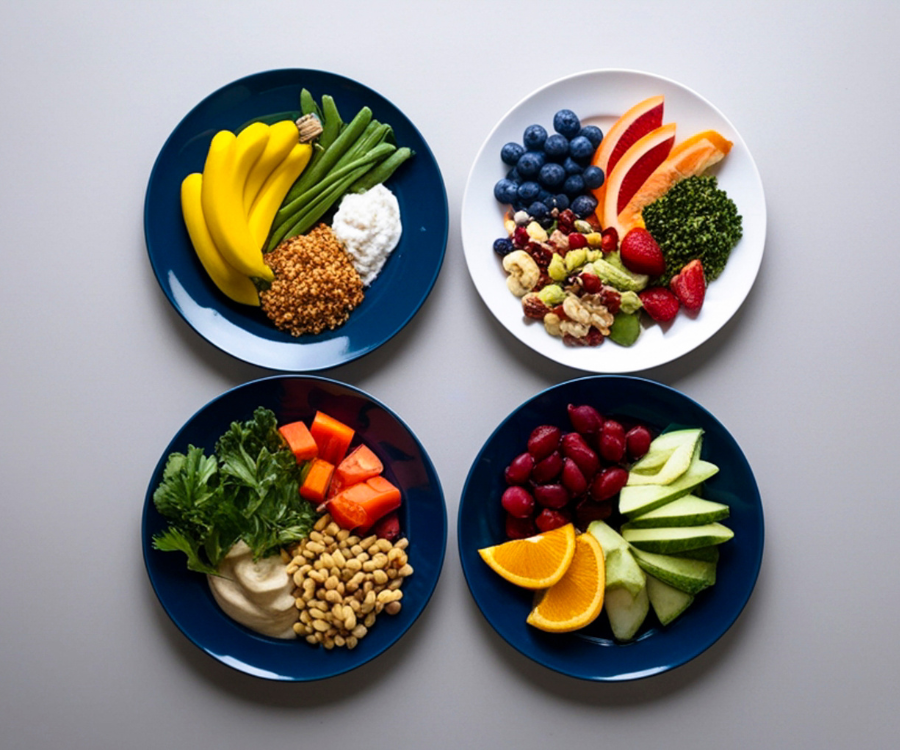
Nutrition Myths Debunked: What Doctors Want You to Stop Believing in 2026
In the age of viral “wellness” trends and 30-second fridge tours, it’s getting harder to separate science from social media. One week, eggs are a superfood; the next, they’re off the menu.
If you feel like the goalposts for “healthy eating” are constantly moving, you aren’t alone. To clear the air, we’ve rounded up the top nutrition myths currently being debunked by medical professionals and registered dietitians this year.
1. Myth: Eggs Are Bad for Your Heart
The Reality: For decades, eggs were the “villain” of the breakfast table due to their cholesterol content. However, 2026 research confirms that for most people, dietary cholesterol has a minimal impact on blood cholesterol.
Doctors now emphasize that eggs are a “perfect protein.” They are rich in choline (essential for brain health) and lutein (great for your eyes). The real heart-health culprits? It’s usually the butter, bacon, and highly processed white toast we serve with the eggs, not the eggs themselves.
2. Myth: “Clean Eating” Means Cutting Out Food Groups
The Reality: The term “clean eating” often implies that foods like dairy, grains, or legumes are “dirty” or toxic. Doctors are pushing back against this restrictive mindset.
Unless you have a diagnosed allergy or intolerance (like Celiac disease), eliminating entire food groups can lead to nutrient deficiencies and a damaged relationship with food. Modern medicine favors “dietary diversity”—the idea that a wide variety of foods is the best way to support a healthy gut microbiome.
3. Myth: Seed Oils are Highly Inflammatory
The Reality: You may have seen influencers claiming that seed oils (like canola or sunflower oil) are “toxic.” However, major health organizations and clinical trials in 2026 continue to show that these oils—rich in omega-6 fatty acids—can actually be heart-healthy when they replace saturated fats (like lard or butter). While deep-fried fast food isn’t a health food, using a splash of sunflower oil for a stir-fry is perfectly safe and evidence-backed.
4. Myth: You Need a “Detox” or “Cleanse” to Reset
The Reality: Your body already has a built-in, 24/7 detox system: your liver and kidneys.
Expensive juice cleanses and detox teas don’t “flush” toxins; in many cases, they just cause dehydration and electrolyte imbalances. Doctors suggest that the best way to “reset” is simply to return to a balanced diet with plenty of fiber and water, which supports your organs in doing their job naturally.
5. Myth: All Processed Foods Are Unhealthy
The Reality: We often hear we should only shop the “perimeter of the grocery store,” but processing exists on a spectrum.
-
Ultra-processed: Sugary cereals and frozen corn dogs (limit these).
-
Minimally processed: Frozen vegetables, canned beans, and plain Greek yogurt.
Many processed foods are nutritional powerhouses that make healthy eating accessible and affordable. A bag of frozen spinach often has more nutrients than “fresh” spinach that has been sitting in a truck for a week!
The 2026 Bottom Line
Nutrition isn’t about perfection; it’s about consistency. Doctors today are moving away from “good” and “bad” labels and moving toward a “big picture” approach:
-
Prioritize fiber (aim for 25–30g a day).
-
Focus on protein to maintain muscle mass.
-
Enjoy your favorites in moderation to avoid the “binge-restrict” cycle.
Doctor’s Tip: “The healthiest diet is the one you can actually stick to without feeling miserable.”